
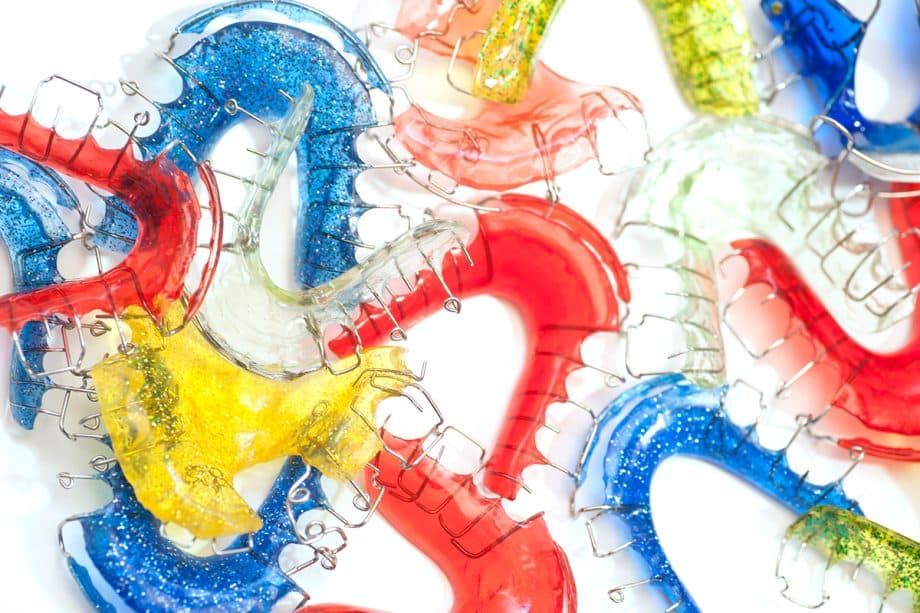
You finally finished your orthodontic treatment, and your smile looks absolutely incredible. You have worn your clear trays or wire appliance every night, but suddenly, you notice it is missing. You panic as you search your bedroom, the bathroom counter, and your backpack, but you still can’t find it. Anyone can misplace this crucial part of their orthodontic journey, and while it might feel like a dental emergency, staying calm is your best first step.
We know exactly how stressful this situation feels because we regularly help patients handle it. All your hard work wearing braces or clear aligners depends on proper retention to keep your teeth perfectly aligned. If you lose your appliance, your teeth can start shifting back to their original positions. Fortunately, we have a clear, actionable plan to help you manage this setback, minimize unwanted tooth movement, and quickly get your smile protection back on track.
Retrace Your Steps and Search Common Hiding Spots
Before you assume you lost your device forever, take a deep breath and systematically search your recent locations. Most people remove their dental appliances during meals, while brushing their teeth, or when playing contact sports. Remember the last time you took it out of your mouth and put it in its protective case. If you wrapped it in a napkin at a restaurant or during a school lunch, check the local trash bins. Many patients share stories about accidentally tossing their appliances away because a balled-up napkin looks like ordinary garbage to anyone else clearing the table.
If you know you left the appliance somewhere in your home, check with your family pets right away. Dogs, in particular, love to chew on dental plastics because the materials carry your scent and saliva. Look in dog beds, under the couch, and near their toy boxes for any signs of chewed plastic or wire. Also, search the spaces between your mattress and headboard, the bottom of your travel bags, and the back corners of your bathroom vanity. Use a flashlight to look under car seats and behind heavy furniture to make your search more effective.
- Check the trash: Unfold any discarded napkins or paper towels from your last meal.
- Inspect pet areas: Look closely at dog beds and favorite pet hiding spots for chewed fragments.
- Search your vehicle: Dig between the center console and the front seats.
- Examine the bathroom: Look behind the sink pedestal, inside cabinets, and even near the shower ledge.
Contact Your Orthodontist Immediately
Once you confirm that you truly lost the appliance, pick up the phone and call your orthodontic office right away. Do not wait a few weeks to see if it turns up—your teeth can start shifting remarkably fast. The periodontal ligaments in your jawbone strongly remember your original tooth positions and want to pull your teeth back. Orthodontic relapse, or shifting, can begin within just a few days of missing your regular wear time. Let us know about the missing device immediately so we can schedule a replacement visit before any significant shifting occurs.
When you call our office, clearly explain when you last had the device and how long you have been without it. We quickly access your treatment records to determine the most efficient way to get you a new one. The longer you go without your retainer after braces removal, the more susceptible your teeth become to rapid movement. We prioritize these replacement appointments to protect the time and resources you invested in achieving your straight smile. Don’t let embarrassment prevent you from making this call—we never judge patients for accidents, and our main goal is to keep your teeth beautifully aligned.
Understanding Orthodontic Relapse
Orthodontic relapse occurs because your bone and tissues need time to stabilize after you finish active treatment. Without a physical barrier to hold them in place, the elastic fibers in your gums actively pull the teeth backward. At first, you may only see this shifting under a microscope, but after a week or two, you can notice a gap returning or a tooth beginning to twist.
Consider Your Replacement Options
When you arrive at our office for your replacement, we examine your teeth to make sure they haven’t shifted significantly. If your teeth remain in the correct positions, we immediately start creating a brand-new appliance. Modern orthodontic technology makes this process much more comfortable than before. In many cases, we use a digital intraoral scanner to capture a highly accurate, 3D image of your teeth—no more messy, gag-inducing putty. This digital scan lets the dental laboratory quickly fabricate a precise, tight-fitting replacement that feels just like your original appliance.
During this visit, we’ll help you choose the appliance that best fits your lifestyle and needs. If you started with a traditional Hawley appliance made of wire and acrylic, you may decide to switch to a clear, invisible Essix tray. If you often lose clear trays, you could upgrade to a more durable, brightly colored Hawley to make it easier to find if it goes missing. We also strongly recommend buying a backup set at this appointment. Keeping a spare device in your bathroom cabinet offers peace of mind and takes away the panic if you ever lose your main one again.
Caring for Your New Appliance
When you receive your replacement, build better habits to prevent future losses. Always follow the golden rule of orthodontics: if it’s not in your face, put it in its case.
- Never wrap it in a tissue or napkin.
- Keep it away from direct heat sources, such as boiling water or hot car dashboards.
- Store the protective case in the same spot every single morning.
- Clean it thoroughly with a soft-bristle toothbrush to prevent cloudy buildup.
Keep Your Smile on Track
Losing an essential piece of your orthodontic equipment definitely feels frustrating, but if you act quickly, you can avoid bigger problems. When you carefully retrace your steps, contact your dental team right away, and come in for a fast replacement, you keep your teeth perfectly straight. Take this situation seriously and commit to better storage habits as soon as you receive your new gear to protect your beautiful results.
Frequently Asked Questions About Retention
How quickly will my teeth shift without a retainer?
Your teeth can start shifting almost as soon as you stop wearing your retention device, even if you don’t immediately notice visual changes. The first week matters most, especially if you just had your braces removed, because the surrounding bone has not yet fully hardened. If you wait longer than a week or two, your replacement could feel uncomfortably tight, or we may need to make small adjustments to your teeth again.
Can I wear an old retainer if I lose my current one?
Do not wear an old appliance without first talking to your orthodontic team. If you wore the old device before a previous adjustment or if your teeth have shifted even slightly, forcing it onto your teeth can actually damage your roots or gums. Let us evaluate your current smile and create a fresh, perfectly fitted appliance that matches your teeth as they are today.
At Las Cruces Orthodontics, we help our community achieve and maintain healthy, confident smiles through exceptional, personalized care. We partner with our patients to keep their teeth perfectly aligned long after they finish active treatment. If you need a replacement appliance or have questions about your ongoing dental needs, please get in touch with us.