
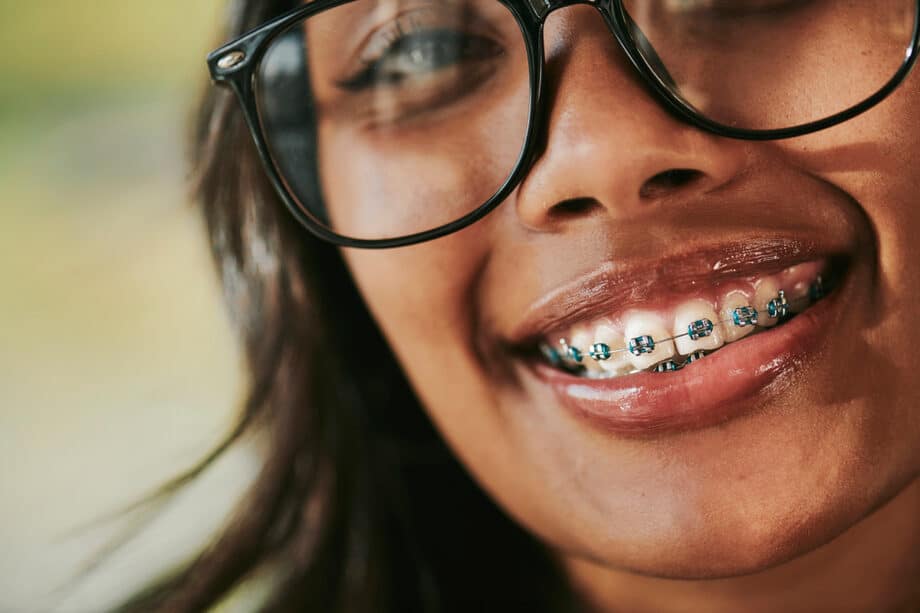
Retainers play a key role in safeguarding your smile by maintaining tooth alignment after braces are removed. They help prevent gradual shifting that could otherwise undo the progress you made during orthodontic treatment. At Las Cruces Orthodontics, we offer a variety of retainers, including Hawley, bonded, and Essix options, each specifically designed to support your long-term dental health. By wearing your retainer as instructed, you can help your straighter smile last for years to come and preserve the results of your orthodontic care.
Completing orthodontic treatment is an accomplishment worth celebrating. After spending months or even years wearing braces, the moment you see your unobstructed smile is rewarding. However, this is not the end of your journey—it marks the beginning of a crucial phase called retention.
Teeth don’t immediately settle into their new positions after braces come off. The surrounding bone, gum tissue, and ligaments need time to adapt and stabilize. Without wearing a retainer as directed, teeth may gradually shift back toward their original alignment, a process known as relapse. Our goal is to help every patient maintain a straight smile long-term, which is why we emphasize the retention phase as much as the active treatment itself.
Here, we'll explore three essential ways retainers help maintain the alignment of your teeth long after braces are removed. We’ll also address common questions about the retention process to help you feel confident protecting your new smile for years to come.
Retainers Hold Teeth in Place While the Bone and Gums Adjust
When braces move a tooth, the surrounding bone and connective tissues need time to adapt and secure it in its new position. This stabilization process happens gradually and relies on support to maintain proper alignment. Retainers provide that support, holding each tooth in position while the surrounding structures adjust and strengthen around their new alignment.
We create retainers custom-fitted to your unique tooth alignment. These may include removable options like the uniquely designed Hawley retainer, the nearly invisible Essix retainer, or a bonded retainer that remains securely attached to the back of your teeth. Each type serves the same essential purpose: to stabilize your teeth and preserve the results of your orthodontic treatment, ensuring the effort you invested delivers lasting benefits.
Retainers Prevent the Natural Drift of Teeth Over Time
Teeth are constantly influenced by subtle, everyday forces like chewing, talking, and the natural aging process. These factors can cause gradual shifts over time, even for people who have never worn braces. However, this movement is especially pronounced in those who have recently completed orthodontic treatment, as newly aligned teeth need extra support to maintain their position and fully stabilize.
Wearing your retainer consistently, as your orthodontist directs, is essential to prevent natural tooth movement from reversing your progress. Over time, many patients shift from wearing their retainer full-time to using it only at night. Skipping this step, however, is one of the most common reasons smiles begin to shift back after orthodontic treatment.
Retainers Allow for Easy Adjustments if Your Bite Shifts
Retainers do more than just hold teeth steady. If we detect minor shifts during a follow-up appointment, we can often adjust your retainer to gently reposition teeth before the changes become more pronounced or harder to address. That’s why we encourage regular visits during the retention phase, especially in the critical months after your braces are removed.
Addressing minor shifts early allows for straightforward corrections. However, delaying action can lead to teeth settling into a less optimal position, which may require more complex treatment to correct.
Protecting Your Smile Starts With Consistent Retainer Wear
The journey to maintaining your straight smile doesn’t end when your braces are removed. It continues with the retention phase, an essential step for preserving the results of your orthodontic care. During this time, we guide you through caring for your retainer—whether it's a Hawley, bonded, or Essix type—and provide detailed instructions to fit your needs. By following this guidance consistently, you help maintain the alignment achieved through treatment, keeping your smile straight and healthy for years to come.
If it's been a while since your last retainer check or you've noticed your retainer doesn’t fit quite right, we recommend having it evaluated promptly. Addressing even minor retention concerns early can prevent them from developing into larger, more complex issues over time.
Frequently Asked Questions About Retention
How long do I need to wear my retainer after braces?
Your orthodontist will provide a customized schedule tailored to your treatment and how your teeth have adjusted. Initially, this often means wearing your retainer more frequently right after your braces are removed, then gradually reducing wear over time. Because every patient’s needs are unique, follow the specific guidance you receive during your visit rather than a general guideline.
What happens if I stop wearing my retainer?
When you stop wearing your retainer consistently, your teeth can start to shift back toward their original positions—a process known as relapse. This gradual movement can reverse some or even all the progress achieved during orthodontic treatment. If you've gone a long time without wearing your retainer, contact your orthodontist promptly to assess your bite and address any changes before they become more significant.
What's the difference between a Hawley, bonded, and Essix retainer?
A Hawley retainer is a removable device with a durable wire framework and an acrylic base. In contrast, an Essix retainer is a sleek, transparent plastic option designed to fit snugly over the teeth. Bonded retainers, on the other hand, consist of a thin wire permanently fixed to the back of the teeth, providing continuous support without daily reminders. During your retention consultation, we’ll evaluate your individual needs to recommend the most suitable retainer type for your lifestyle and treatment goals.
Can I still get a retainer if it's been years since I had braces?
If your retainer doesn’t fit properly or has been lost, it’s important to schedule a bite evaluation. Depending on the extent of any movement, a replacement retainer might effectively realign your teeth. However, if you notice more significant shifting, you may need further treatment. Addressing these concerns early increases the chances of resolving them with a simpler approach.
Are bonded retainers better than removable retainers?
Each retainer type has its advantages, depending on your needs. Bonded retainers provide constant support because they stay securely attached and don’t require daily effort, though they come with added considerations for cleaning and diet adjustments. Removable options, such as the Hawley or Essix retainers, offer greater convenience and versatility but depend on your commitment to wearing them regularly. To help determine the best fit for your lifestyle and treatment history, your orthodontist will guide you through the selection process.
Do you have questions about your retainer or need to schedule a retention check? Reach out to us at Las Cruces Orthodontics, and let us help you maintain the results you’ve worked so hard to achieve.