
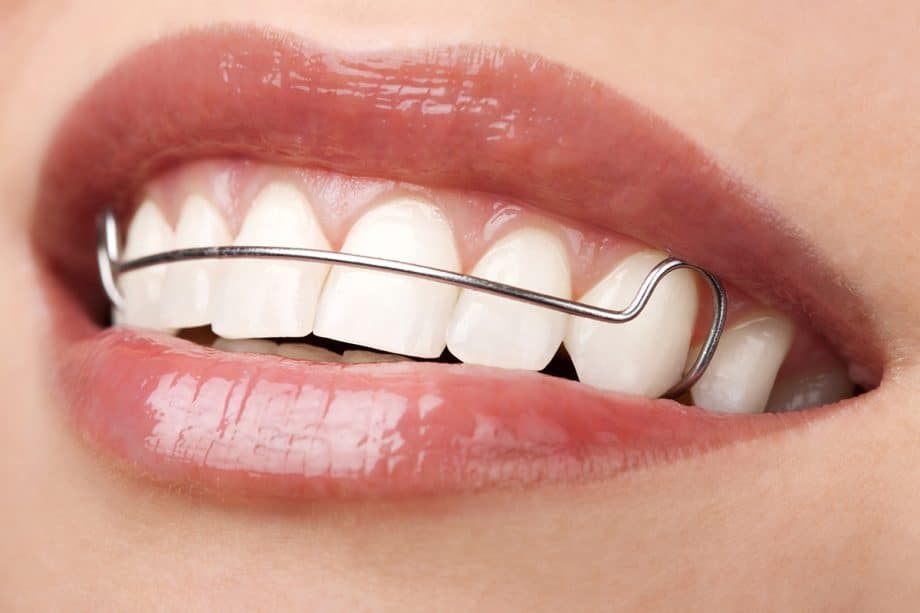
After months or even years of wearing braces, the day they are finally removed is a significant milestone. It’s a moment of celebration, revealing a beautifully straight smile that you’ve worked so hard for. But the journey doesn't end there. The next phase, which is just as critical, involves wearing a retainer. Many of our patients ask us the same question: "How long do I really need to wear this?" It's a common and essential query. The simple answer is that retainer wear is a lifelong commitment, but how you wear it will change over time.
Think of it this way: the investment you made in your orthodontic treatment needs protection. Your teeth have a "memory" and a natural tendency to shift back to their original positions. Relapse is a biological process. Your new smile is held in place by bones, gums, and ligaments that need time to adapt to their latest configuration. The retainer is the tool that has everything steady while this stabilization occurs. Understanding the phases of retainer wear can help you appreciate why it’s so essential for maintaining your results in the long term.
The Immediate Post-Braces Period: Full-Time Wear
Right after your braces are removed, your teeth are at their most vulnerable. The periodontal ligaments and bone tissue that support your teeth have loosened and remodeled to allow for movement. Now, they need to solidify and firm up around the new positions of your teeth. This crucial stabilization process can take several months, typically anywhere from nine to twelve months. During this initial phase, we almost always recommend wearing a full-time retainer. This guideline means you'll wear your retainer for about 22 hours a day, removing it only to eat, drink (except water), and for brushing and flossing.
It might feel like you've just traded one orthodontic appliance for another, and in a way, you have. However, this period of diligence is the most critical factor in preventing an immediate relapse. Wearing your retainer as instructed allows the bone to rebuild and harden around the roots of your teeth, effectively locking them into their new, corrected alignment. Skipping hours or days during this time can allow for slight, incremental shifts that you might overlook at first. Over weeks, these tiny movements can add up, compromising the beautiful results you achieved with your braces. This initial commitment to full-time wear sets the foundation for a lifetime of straight teeth.
Transitioning to Nighttime-Only Wear
After the initial full-time wear period, which typically lasts from a few months to a year, we will evaluate the stability of your smile. Once we determine that your teeth have settled into their new positions and the supporting bone has sufficiently hardened, you can usually transition to the next phase: wearing your retainer only at night. This is a significant step for our patients, offering more freedom during the day. For most people, this nightly routine becomes the new normal for the long haul. Wearing your retainer every single night ensures that you counteract any minor pressures or shifts that may have occurred during the day.
Your body is constantly changing, and your teeth are no exception. Forces from chewing, talking, and even natural aging can cause teeth to move over time. This is a slow, natural process, but without intervention, it can lead to crowding or spacing, even years after your braces are removed. A nightly retainer acts as a safeguard, pushing your teeth back into their ideal alignment while you sleep. It’s a passive but powerful way to maintain your orthodontic results. This phase of the retention plan is designed to be a manageable and straightforward part of your daily routine, much like brushing your teeth before bed.
"For Life": The Long-Term Commitment
So, what happens after a year or two of nightly wear? Do you ever get to stop? The most accurate and professionally responsible answer is no. Orthodontists now agree that lifetime retention is the best practice for ensuring your smile remains straight for the long term. This is why we often say, "For the rest of your life, for as long as you want your teeth to be straight." While this guideline may sound daunting, it’s actually much less intensive than it appears. After several years of consistent nightly wear, some patients may be able to reduce their wear to just a few nights a week. However, this decision should only be made after a consultation with us.
The concept of "retainers for life" is based on the understanding that teeth are never completely static. Age-related changes in your jaw and bone structure, combined with daily pressures, mean that the risk of shifting never truly disappears. Forgetting to wear your retainer for a week or two, even a decade after treatment, can result in noticeable movement. Many adults who had braces as teenagers and stopped wearing their retainers find themselves seeking orthodontic treatment for a second time. Committing to a lifetime of part-time retainer wear is the most effective way to protect your smile. It's a small, passive effort that protects the significant time, effort, and financial investment you've made in achieving it.
Your Smile's Guardian
Your retainer is the unsung hero of your orthodontic journey. While braces do the heavy lifting of moving your teeth, the retainer does the equally important job of keeping them there. The instructions for wear—from full-time to nighttime-only to a few nights a week—are designed to give your teeth the support they need as they settle into their new home and to protect them from the natural forces of change over a lifetime. Following these guidelines is the key to enjoying your straight, confident smile for decades to come.
Think of your retainer not as a chore, but as the guardian of your smile. It works quietly behind the scenes (or, more accurately, during the night) to ensure everything stays exactly where it should be. The commitment is small, but the reward—a permanent, beautiful smile—is immeasurable. If you ever have questions about your retainer or feel it isn't fitting correctly, it's crucial to contact us immediately to prevent any unwanted tooth movement.
Frequently Asked Questions About Orthodontic Retainers
What happens if I lose my retainer?
If you lose your retainer, please contact us immediately. Your teeth can begin to shift in as little as a few days without the retainer holding them in place. The longer you wait, the greater the risk of relapse. We will need to take a new impression or scan of your teeth to create a replacement retainer as quickly as possible to prevent your smile from changing.
How do I know if my teeth have shifted?
A clear sign that your teeth may have shifted is when your retainer suddenly feels very tight or no longer fits properly. If you have to force it into place, it's a red flag that some movement has occurred. Do not force the retainer over your teeth. Instead, schedule an appointment with us. We can assess the situation and determine the best course of action, which might involve adjusting your current retainer or creating a new one.
At Las Cruces Orthodontics, we help our patients in Las Cruces and the surrounding communities achieve and maintain beautiful, healthy smiles. We provide comprehensive orthodontic care for patients of all ages, ensuring your results last a lifetime. If you have any questions about your treatment or would like to schedule a consultation, please don't hesitate to contact us.