We watch our children grow and reach countless milestones, from their first steps to their first day of school. Along the way, we also track their physical development, including the arrival and loss of baby teeth. As parents, we want to prepare them for a lifetime of healthy, confident smiles. When we visit the orthodontist, we often hear about "Phase 1" and "Phase 2" treatment. For many families, this dual-step approach can seem confusing. Why do providers separate treatment into two parts? Does every child need both phases?
We know pediatric dental care can feel overwhelming. We aim to clarify the orthodontic process so you can make informed, confident decisions for your family. Two-phase treatment uses a specialized approach to address immediate developmental issues and lay the foundation for perfectly aligned permanent teeth. In this guide, we explain what happens during each phase, why we recommend this timeline, and how it supports your child's long-term oral health.
Understanding Phase 1: Interceptive Orthodontics
The primary goal of Phase 1 is not to create a perfectly straight row of teeth, but rather to develop the child's jaw size to accommodate all permanent teeth and to align the upper and lower jaws properly. Children sometimes exhibit early signs of jaw issues as they grow and develop. An upper or lower jaw that is growing too much or not enough can benefit from early intervention. By addressing these structural issues early, we can prevent more severe problems from developing later.
Common Signs Your Child May Benefit from Phase 1
We typically recommend early orthodontic treatment to address specific developmental concerns. Some of the most common issues we look for include:
- Crossbites: This occurs when the upper teeth close inside the lower teeth. If left untreated, a crossbite can cause the jaw to grow asymmetrically and lead to uneven tooth wear.
- Severe Crowding: When the jaw is too small to accommodate the eruption of permanent teeth, early intervention can create the necessary space, potentially preventing the need to extract permanent teeth later in life.
- Underbites and Overbites: Correcting severe jaw discrepancies early helps guide the facial bones as they grow, making future treatment much less invasive.
- Harmful Oral Habits: Prolonged thumb sucking or pacifier use can alter the shape of the jaw and the position of the teeth. Phase 1 appliances can gently stop these habits and correct the resulting structural changes.
During this initial phase, we might use specific appliances tailored to your child's needs. These can include palatal expanders to widen the upper jaw, partial braces to align specific front teeth, or space maintainers to hold room for unerupted permanent teeth. Phase 1 usually lasts between nine and twelve months, depending on the severity of the specific issue we need to correct.
The Crucial Resting Period: Allowing Nature to Take Its Course
Once Phase 1 concludes, your child enters a vital transition period known as the resting phase. This stage is just as important as the active treatment phases. During the resting period, we remove the active orthodontic appliances and allow the remaining permanent teeth to erupt naturally. Creating space during Phase 1 gives these permanent teeth a clear path to erupt into the mouth, significantly reducing the likelihood that they will become impacted or severely displaced.
We do not simply send you on your way during this resting phase. We carefully monitor your child's progress through periodic observation appointments, usually scheduled every six months. These check-ins allow us to track the development of the teeth and jaws, ensuring that the results achieved in Phase 1 remain stable. We want to verify that the permanent teeth are following the pathways we established for them.
What Happens During the Resting Phase?
- Retainer Wear: Your child may wear a retainer to maintain the space created during Phase 1 and stabilize the jaw's new shape.
- Observation: We take periodic X-rays and conduct physical exams to map the trajectory of unerupted permanent teeth.
- Selective Extractions: Occasionally, baby teeth fail to fall out on their own, blocking the path of permanent teeth. If we notice this during an observation visit, we may recommend removing specific baby teeth to facilitate the natural eruption of others.
It is important to understand that having Phase 1 treatment does not mean your child's teeth will be perfectly straight during the resting phase. The remaining permanent teeth still need to come in, and they will likely need final adjustments. The goal of the resting period is simply to ensure the environment is optimal for the upcoming Phase 2.
Understanding Phase 2: Achieving the Final Masterpiece
Phase 2 treatment begins once most or all of the permanent teeth have erupted, typically between ages 11 and 13. While Phase 1 focused on the foundation—the size and position of the jaws—Phase 2 focuses on the finer details of the teeth themselves. The goal of this final phase is to ensure that each tooth has an exact position in the mouth, where it perfectly harmonizes with the lips, cheeks, tongue, and other teeth. When this equilibrium is established, the teeth function together correctly, and the smile looks beautifully balanced.
Because we already addressed major structural and spatial issues during Phase 1, Phase 2 is generally much more straightforward and efficient. Without early intervention, addressing severe crowding or significant jaw discrepancies in the teenage years often requires complex treatment plans, including the extraction of healthy permanent teeth or even corrective jaw surgery. Thanks to the groundwork laid in Phase 1, we can focus Phase 2 entirely on alignment and bite correction.
Tools and Techniques Used in Phase 2
During Phase 2, we employ comprehensive orthodontic tools to achieve that final, perfect alignment.
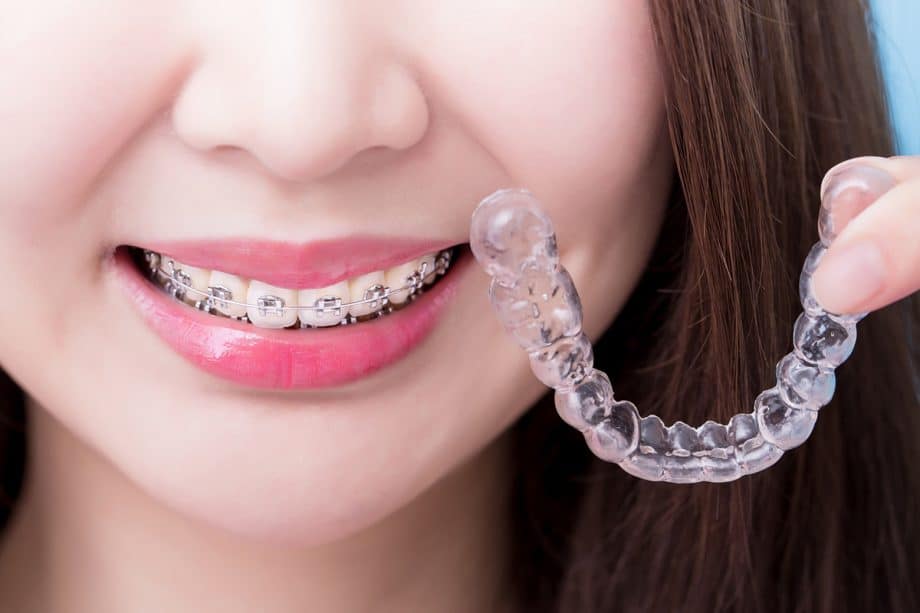
- Full Braces: Traditional metal or ceramic braces are applied to all permanent teeth on both the upper and lower arches to provide precise, three-dimensional control over tooth movement.
- Clear Aligners: For eligible teenage patients, we often use clear aligner systems to achieve the final alignment discreetly and comfortably.
- Elastics: We frequently use rubber bands during this phase to fine-tune how the upper and lower teeth bite together, ensuring optimal chewing function and reducing enamel wear.
Phase 2 typically lasts 12 to 24 months. Once active treatment is complete, your teenager will transition to the retention phase. Wearing retainers as prescribed is vital for holding the teeth in their new, beautiful positions and preventing them from shifting back to their original positions.
Guiding Your Child's Smile Journey
Ultimately, the decision to pursue two-phase orthodontic treatment depends entirely on your child's unique biological needs. Not every child requires a Phase 1 intervention. Many children develop in a way that allows us to treat them successfully in a single, comprehensive phase once all their permanent teeth have arrived. However, for children who do exhibit early jaw discrepancies, crossbites, or severe space shortages, two-phase treatment offers a transformative, proactive approach that simplifies their future care and delivers superior functional and aesthetic results.
We believe that informed parents make the best decisions for their children's health. By understanding the distinct goals of Phase 1 and Phase 2, you can actively participate in your child's orthodontic journey. Early evaluation allows us to monitor growth, intervene only when necessary, and ensure that, when it comes time for teenage braces, the process is as smooth and comfortable as possible.
We look forward to partnering with you to create a healthy, radiant smile that your child will carry proudly into adulthood.
Frequently Asked Questions About Early Orthodontic Treatment
Does my child definitely need Phase 2 if they had Phase 1 treatment?
In the vast majority of cases, yes, a child who undergoes Phase 1 treatment will eventually need Phase 2. Phase 1 focuses heavily on skeletal growth, jaw correction, and making room for permanent teeth. Because most permanent teeth have not yet erupted during Phase 1, we cannot control their final positions. Phase 2 is necessary to align those newly erupted permanent teeth, finalize the bite, and ensure the upper and lower teeth fit together perfectly for proper function and long-term stability.
Will Phase 1 treatment eliminate the need for braces later?
While Phase 1 does not usually eliminate the need for future braces or aligners, it dramatically reduces the complexity, duration, and discomfort of that treatment. Early intervention addresses major structural problems that are incredibly difficult to fix once the jaw stops growing. By correcting severe crowding or significant bite issues early, we can often avoid the need to extract healthy permanent teeth or perform jaw surgery when your child becomes a teenager. Phase 1 makes the eventual Phase 2 treatment much more straightforward.
At Las Cruces Orthodontics, we proudly provide compassionate, personalized orthodontic care for children, teens, and adults in our community. We strive to create beautiful, healthy smiles that last a lifetime, ensuring every patient feels comfortable and confident. If you have questions about your child's dental development, please get in touch with us today to schedule a consultation.